




Growing communities and a better Georgia from the ground up.
The Georgia Master Gardener Extension Volunteer (MGEV) Program connects UGA Extension, plant enthusiasts, and communities across the state. MGEVs share UGA Extension consumer horticulture programming about selection and care of plants for ornamental value, recreation, and home food production. Master Gardeners teach community members how to use plants and gardening to improve their environment, personal health, and quality of life.
Extension News
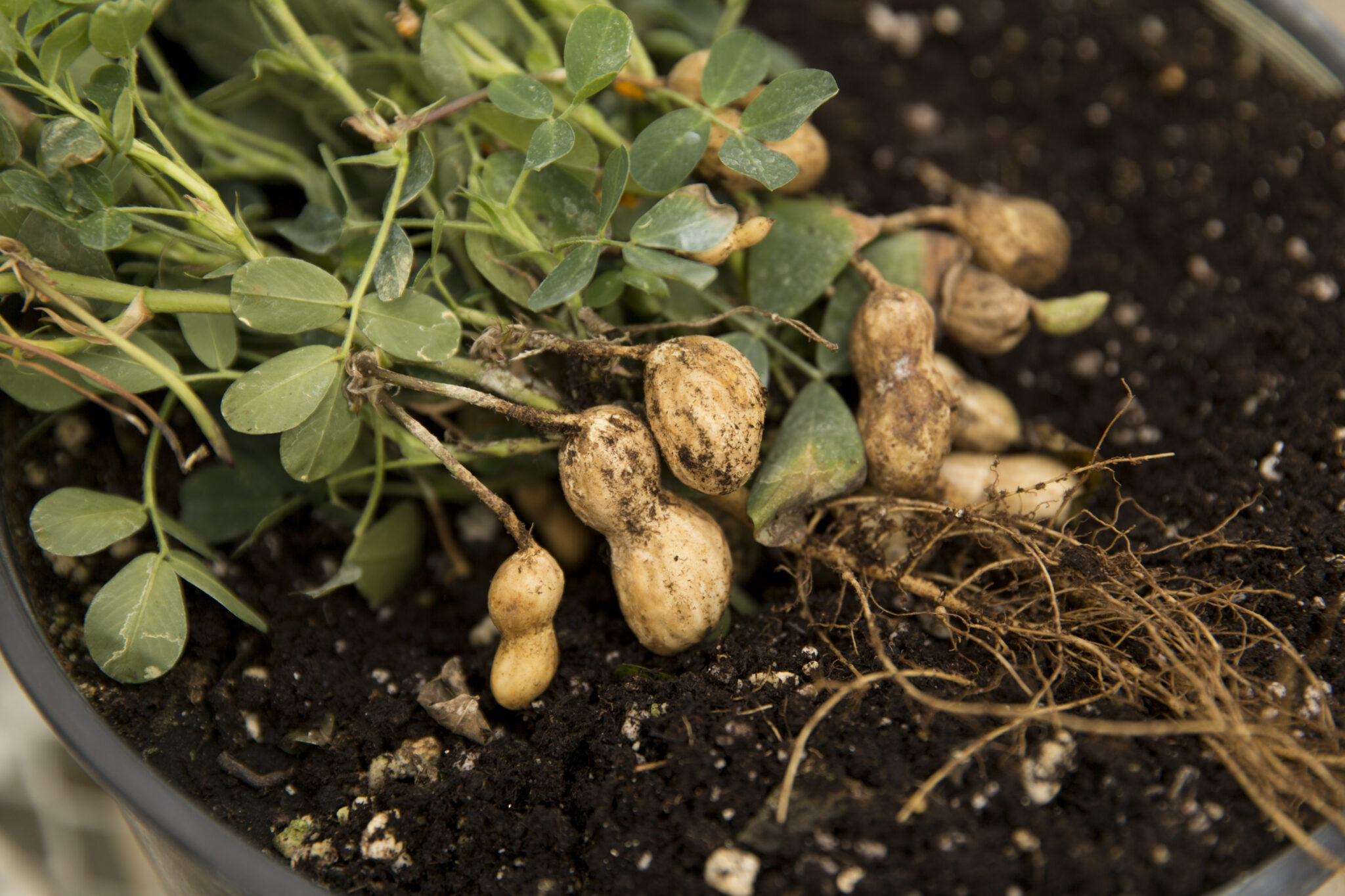
Products to Market
For the third consecutive year, the University of Georgia ranked No. 1 among U.S. universities for number of commercial products brought to market by industry partners based on university research, according to an annual survey conducted by AUTM.
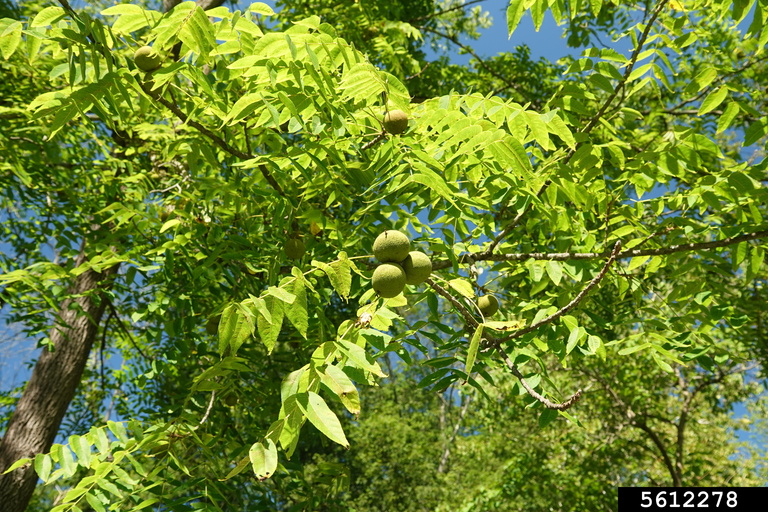
Growing Black Walnut
University of Georgia Cooperative Extension experts provide information on growing uncommon Southern delights in your own backyard.
Upcoming Events
Aug 7
Pollination Nation! The Great Southeast Pollinator Census
Welcome to Pollination Nation! Dive into the fascinating world of pollinators with this webinar. Learn about the wide variety of pollinators that call your backyard home, from bees and butterflies to birds and beyond, while learning why these incredible creatures are essential to our ecosystems. You'll also explore the Great Southeast Pollinator Census, a community-driven initiative celebrating and protecting pollinators. Let Lisa Klein with UGA Extension Gwinnett teach you about the vital role pollinators play and how we can support them in our own backyards! This program qualifies for master gardener continuing education credit. For more information, please contact us at uge1135@uga.edu.
Aug 11
Great Southeast Pollinator Census
Dallas, GA
Learn about gardening timely topics with Master Gardener Extension Volunteers at the Dallas Library.
Aug 12
The Secret Life of Native Trees and Shrubs
Fayetteville, GA
In this program, we will discuss the what and why of native plants' significance and explain the function of the native species as hosts for moths and butterflies. We will also review the variety of specific trees and shrubs for our area and expound on the connections between wildlife, native plants, and a thriving ecosystem.
Optional: After the program, we will visit the Education Garden to see what is in bloom!
Please bring water, hat, sunscreen, and dress accordingly.
From Our Blog
Take the UGA Extension Wildflower Quiz!
What Georgia wildflower are you? Take this short quiz and find out from 48 possible results! Share the quiz with your friends!
Junior Master Gardener Advanced Training Registration is Open!
Junior Master Gardener (JMG) is the international youth gardening program of the university cooperative Extension system created and managed by Texas A&M AgriLife Extension. Learn how to use its rich curriculum to increase youth awareness of plants and gardening as both stand-alone activities within your community and as training for youth to become Junior Master […]
New Date for Project GROW Advanced Training – Register Soon!
We’ve offered a great line-up of Advanced Training this year, as you’ve seen from various posts here on Trellis. Our original schedule included three different training dates for our AT related to the GROW curriculum and how to offer it in your county. (Be sure to read the full story of the GROW curriculum here!). […]
Connect With Us:

