UGA Cooperative Extension
Bryan County Extension Office:
Agriculture & Natural Resources
| January | February | March | April |
| May | June | July | August |
| September | October | November | December |
Plant or transplant woody plants such as trees or shrubs. Now while it is cool and plants are somewhat dormant, is one of the best times of the year for planting. Newly planted or transplanted material will still need water through the winter, don't forget to irrigate if rainfall does not supply plenty of water. January is also a good time to plant fruit trees.
Bare root roses and many of the spring flowering bulbs can also be planted in January. Tulips and hyacinths should have been pre-chilled for 6-8 weeks in your refrigerator before planting.
January is also a good time to plan this coming years vegetable garden so seeds and transplants can be ordered if not available locally.
If you have not already done so, don't forget to take soil samples for your garden and lawn areas.
February is an excellent time for pruning. Fruit trees, grape vines, roses, and crape myrtles should be pruned. Most evergreen plants can also be pruned. For spring flowering plants, such as azaleas,wait until after they bloom before prunning. Prunning now can reduce flower production.
In the vegetable garden, plant english peas, irish potatoes, beets, carrots, lettuce, mustard, radishes, turnips, onions, asparagus and spinach.
Pre-emergence herbicides for weed problems in turf can be applied at this time. Be sure to follow label directions.
Most fruit trees and pecan trees can be fertilized in early to mid-February. Do not apply fertilizers to lawns or ornamental plants at this time.
Repot houseplants where needed.
If you have not already done so, prune crape mrytles and overgrown evergreen shrubs. Mulch around shrubs and trees and replace existing mulch as needed.
Prepare a plan for planting spring and summer annuals. You can continue to plant new shrubs and trees in the warm spring weather. However, the sooner in spring you plant, the better, so plants will face less heat stress.
Fertilize trees and shrubs as needed in early March. Roses will need monthly fertilization through spring and summer. Don't fertilize your lawn yet. Wait until two weeks after it has greened up. There is no rush, the lawn will fare just fine if you wait until April to fertilize.
If weather is warm, lawns can be started from seed, plugs, springs or sod. However, the lawn will be easier to start if you wait until April.
If lawn areas are compacted, now is a good time to aerate the lawn using a core-type lawn aerator to help improve drainage and loosen soils.
Prune flowering shrubs such as quince, spirea and forsythia after blooming.
Prepare beds and plant annual flowers.
Lawn areas can still be planted from seed, plugs, sprigs or sod. Fetilization can be aplied to lawn areas provided it has been two weeks since the grass has greened up.
In the vegetable garden, plant tomatoes, beans, cucumbers, squash, butterpeas, eggplant, peppers, okra and sweet potatoes.
As you begin mowing the lawn, sharpen the blades every 4-6 weeks.
You may continue to plant shrubs in the landscape, but plan to water regularly to insure that they survive the coming warmer temperatures.
Warn season lawn grasses, such as centipede, St. Augustine, and bermuda can still be started during May. Pay careful attention to watering since temperatures will continue to rise throughout the month.
Fertilize St. Augustine and bremuda lawn areas. Fertilizer should not be applied to centipede lawns at this time.
Summer flowering bulbs, such as dahlias, can be planted.
Thin fruit on vegetables and fruit trees.
Don't forget to fertilize annuals and roses monthly throughout the growing season. Most vegetables should be side-dressed with fertilizers at this time. Be careful not to over fertilize.
Prune azaleas and camellias after they have finished blooming.
Spray gardenias to control white flies and sooty mold. Crape Mrytles should also be sprayed to control aphids and sooty mold.
Keep a close eye on insect problems in the lawn area. Mole crickets, spittle bugs and chinch bugs can create serious problems in lawn areas during June.
Lawn grasses can still be established during June. However, keep a close eye to make sure adequate water is available.
Fertilize St. Augustine and bremuda lawn areas. Fertilizer should not be applied to centipede lawns at this time.
Marigolds, salvia annual vinca and begonias can be planted. Pinch terminals of flowers to promote branching.
Don't forget to fertilize annuals and roses monthly throughout the growing season.
Harvest vegetables at peak quality. Second plantings of beans, sweet corn, squash, okra, and cucumbrs can be planted.
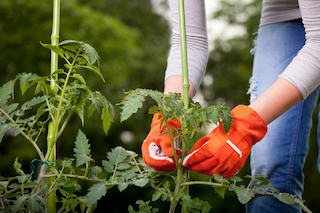
Watch for disease problems in the vegetable garden. Tomatoes can be sprayed with calcium chloride to help prevent blossom end rot.
Watch shrubs carefully for water stress. Keep adequate water supplied but don't over water. Water shrubs under trees more often.
Check ornamental plants for insects and control as neccessary.
Watch for Powdery Mildew on crape myrtle and apply fungicides where damage is severe.
Remove old flowers from annuals and perennials to encourage more blooming.
Don't forget to fertilize annuals and roses monthly throughout the growing season.
Fertilize centipede, St. Augustine and bremuda Lawns following your soil sample recommendation. This should be your second and final application to centipede lawns.
In the vegetable garden, plant beans during the first half of the month. Now is also the time to prepare your fall garden plan.
Do not prune azaleas now. This will reduce flowering in the coming spring. Old crape mrytle flowers should be removed as soon as their color fades.
Continue to remove old flowers from annuals and perennials to encourage more blooming. Because summer can be hard on many perennial flowers they can also benefit from trimming back leggy growth.
Fertilize lawn except for centepede grass. Lawn areas may need water during extreme drought. Continue to keep a watchful eye for insect and disease problems in turf areas.
Remove old flowers from annuals and perennials to encourage more blooming.
Don't forget to fertilize annuals and roses monthly throughout the growing season.
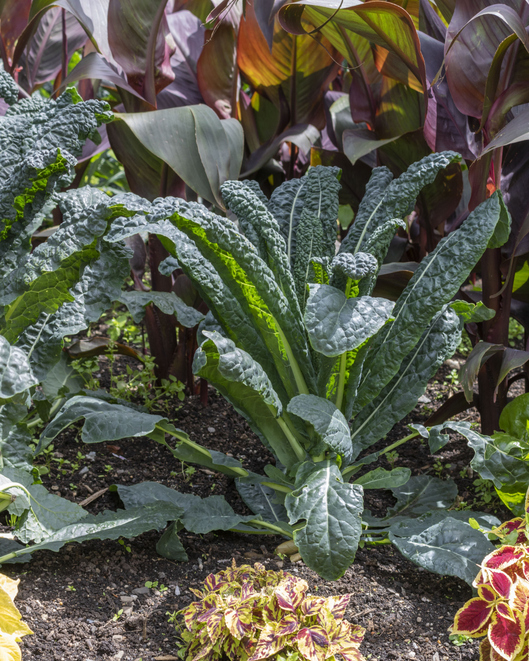
Plant cabbage, collards, beets, bush snap beans, lettuce, turnips, kale, and mustard. Carrots should be planted later in the month.
Prune ornamental shrubs for shape only.
Divide and transplant ornamental grasses such as liriope. Now is also a good time to divide irises and daylillies.
Fertilize roses early in the month, this is the last application until spring.
Plant fall vegetables such as greens, onions, radishes and beets not planted in August. Plant a cover crop of rye on unused garden plots.
Begin to acclimate outdoor plants to move indoors in late September. Now is a good time to re-pot those overgrown houseplants.
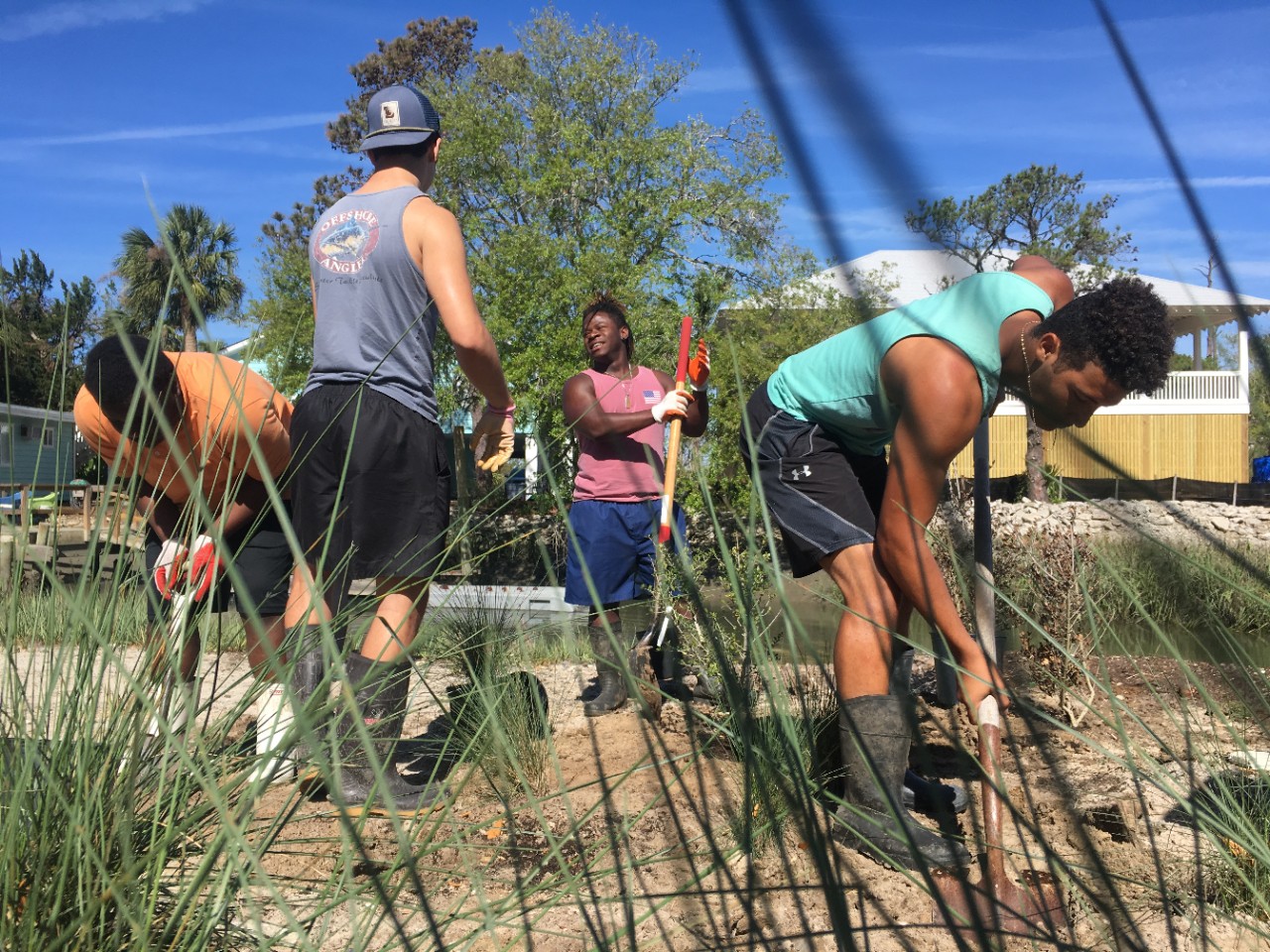
October is the best time for planting in the landscape. Ornamental trees and shrubs can be planted, perennial flowers can be transplanted or divided, fall bulbs can be planted and annual flowers such as pansies and dianthus should be planted.
Cut back annual and perennial flowers as they begin to fade.
As crops are harvested in the vegetable garden, destroy debris to prevent the buildup of insects and diseases.
As leaves begin to fall, start a home compost pile to use as organic material in next years garden.
October is the perfect time to begin taking soil tests from your lawn and garden. Remember, it takes three months for lime to react with soils. Soil testing early gives ample time to apply lime if needed and get your garden ready for next season.
Continue planting ornamental shrubs and trees to make new additions to your landscape.
Mulch plant beds and trees with fallen leaves, pine straw or other material.
Watch for winter weeds in turf areas as lawn areas go dormant and control as needed.
As the last vegetables of the year are harvested, clean garden area of weeds and dead crops.
Continue renewing mulch around plant beds and composting fallen leaves.
Plant shrubs and trees.
Begin working on next years garden plan.
Till garden soil afetr crops die down and remove debris from area to prevent diseases.
Plant asparagus in late December.