Home
RANDOLPH COUNTY

Georgians get their money's worth from UGA Extension. Every dollar invested in us saves taxpayers' dollars in the long run and returns $3 for every $1 invested in Georgia counties. Through the cooperative funding of federal, state and county governments, Extension agents are in almost every county in Georgia.
Most counties have a combination of agents who specialize in agriculture and natural resources, youth development and family and consumer sciences. Agents complete specialized training to help them meet the needs of the communities they serve. Some specialize in horticulture; others, in row crop or livestock production. Some agents work to help families deal with rural development issues or raise healthy children in urban settings.
If you'd like to learn about building a safer environment for your children or protecting the environment we all share, avoiding chronic diseases like diabetes with healthy food or training food handlers in your cafeteria, the University of Georgia Extension is the place to start.
-
CAES Convocation Held before UGA’s undergraduate commencement ceremony, CAES Convocation is a personalized ceremony to recognize the academic accomplishments of undergraduate and graduate candidates at the college.

-
Nurturing With Nature The field of medicine is ever-changing, and the use of herbal medicines may play a bigger role in health care as the value of natural remedies gain recognition in the Western world.
-
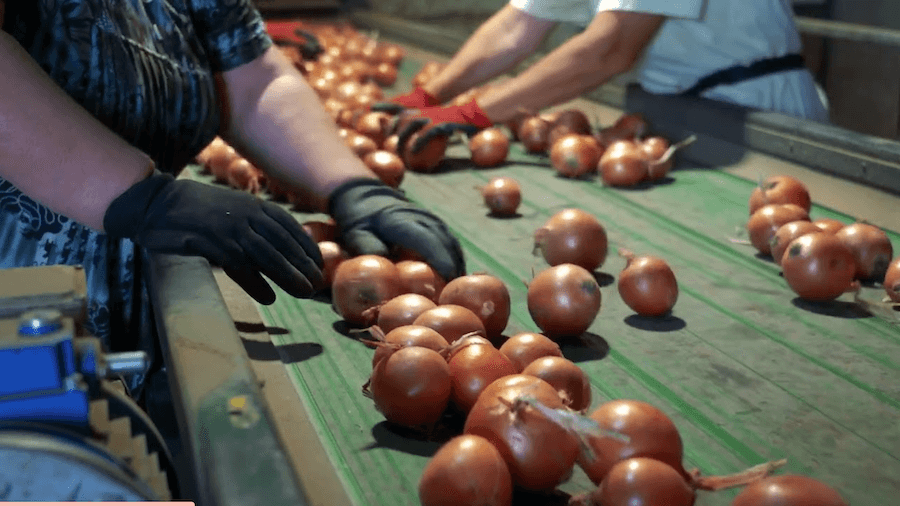
Onion Sorting Robot Working with UGA’s Vidalia Onion and Vegetable Research Center and A&M Farms in Lyons, Georgia, a team of researchers led by School of Computing Professor Prashant Doshi is testing a robotic arm in the task of sorting fresh Vidalia onions.

Extension Publications
-
Vegetable Garden Calendar (C 943) The recommendations in this circular are based on long-term average dates of the last killing frost in the spring and first killing frost in the fall. Every year does not conform to the "average," so you should use your own judgment about advancing or delaying the time for each job, depending on weather conditions.
-
Native Plants for Georgia Part I: Trees, Shrubs and Woody Vines (B 987) This publication focuses on native trees, shrubs and woody vines for Georgia. It is not our intent to describe all native species — just those available in the nursery trade and those that the authors feel have potential for nursery production and landscape use. Rare or endangered species are not described. Information on each plant is provided according to the following categories: Common Name(s)/Botanical Name/Family, Characteristics, Landscape Uses, Size, Zones and Habitat.
-
Time Management: 10 Strategies for Better Time Management (C 1042) Learn 10 strategies for better time management, including knowing how to spend your time, setting priorities, using planning tools, getting organized, scheduling, delegating, and avoiding procrastinating, wasting time, and multitasking.
Below are some of 4-H's most broadly useful resources from the Georgia 4-H website. Please contact us for more information about participating in any of these programs through this county office.