
32,000 research citations over the past five years
Integrative Precision Agriculture
Harnessing the power of technology and big data to sustainably provide for our planet’s growing population
Integrative precision agriculture (IPA) applies to every aspect of the agriculture industry, from planting and harvesting to creating more environmentally conscious farming practices. Learnt how our researchers are engineering for tomorrow.
Statewide Variety Testing
Conducting research each crop year
The UGA Statewide Variety Testing program provides annual performance testing results on Georgia commodities including canola, small grains and forage, corn and silage and field crops. Research is conducted in multiple geographic regions of Georgia to collect agronomic data such as yield, bloom date, maturity date, test weight, height, lodging, seed size, and seed shattering; also, tests for resistance / tolerance to pests and disease.
Regenerative Bioscience Center
CAES faculty research cell therapy to fight chronic diseases
UGA’s Regenerative Bioscience Center (RBC) is a synergistic unit of researchers from a range of disciplines and institutions. The RBC is making great strides in developing new cures to treat devastating diseases such as stroke, heart disease, Parkinson's and Alzheimer's, transforming the field of medicine along the way.
Controlled environment agriculture
Plant Growth Facilties
University of Georgia plant growth facilities (PGF) provides controlled environment greenhouses and growth chambers and dedicated staff to support faculty and student agricultural research in Athens.
Learn about student opportunities
Graduate Programs
Our master's and doctoral degree programs attract students from all over the world. Graduate students work alongside our world-class faculty to expand their knowledge in field, laboratory, facility and online settings.
Office of the Associate Dean for Research
109 Conner Hall
Athens, GA 30602
Email: Ag.Research@uga.edu
Phone: (706) 542-2151
We are committed to discovering, innovating and delivering the science required to feed and fuel the world.
See how we are leading innovation in research$43.8M in external funding support for research
$52.4M New competitive federal grants increased 6.3% from $49.3M
918 Peer reviewed journal articles published by CAES Faculty
785 grants received in FY21
Funded by: USDA NIFA, USDA ARS, National Science Foundation, CDC top funders, among many others
Research News
Research Archives | CAES Field Report
 Research Archives | CAES Field Report
 Research Archives | CAES Field Report

Posted by Emily Cabrera on Sep 30, 2026
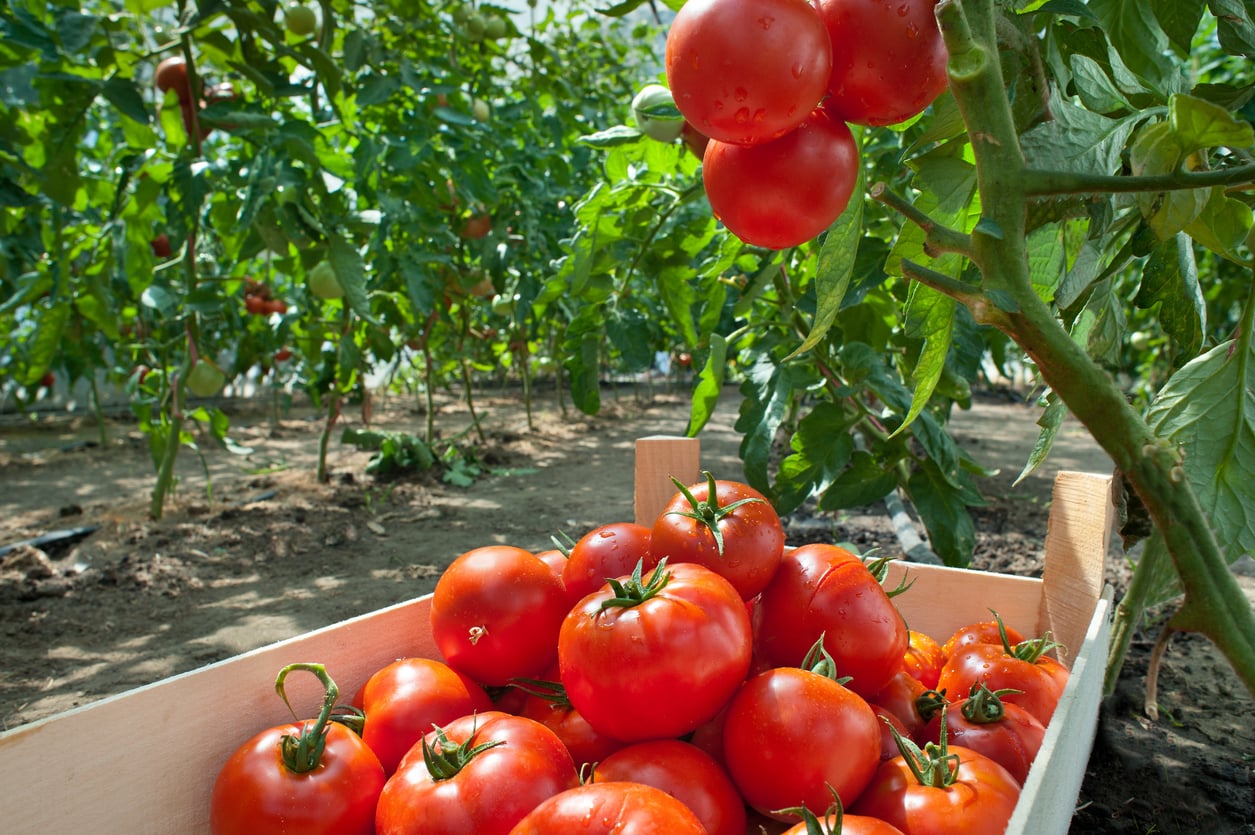
Finding what works for Georgia tomato growers
Posted by Maria Lameiras on Sep 24, 2026
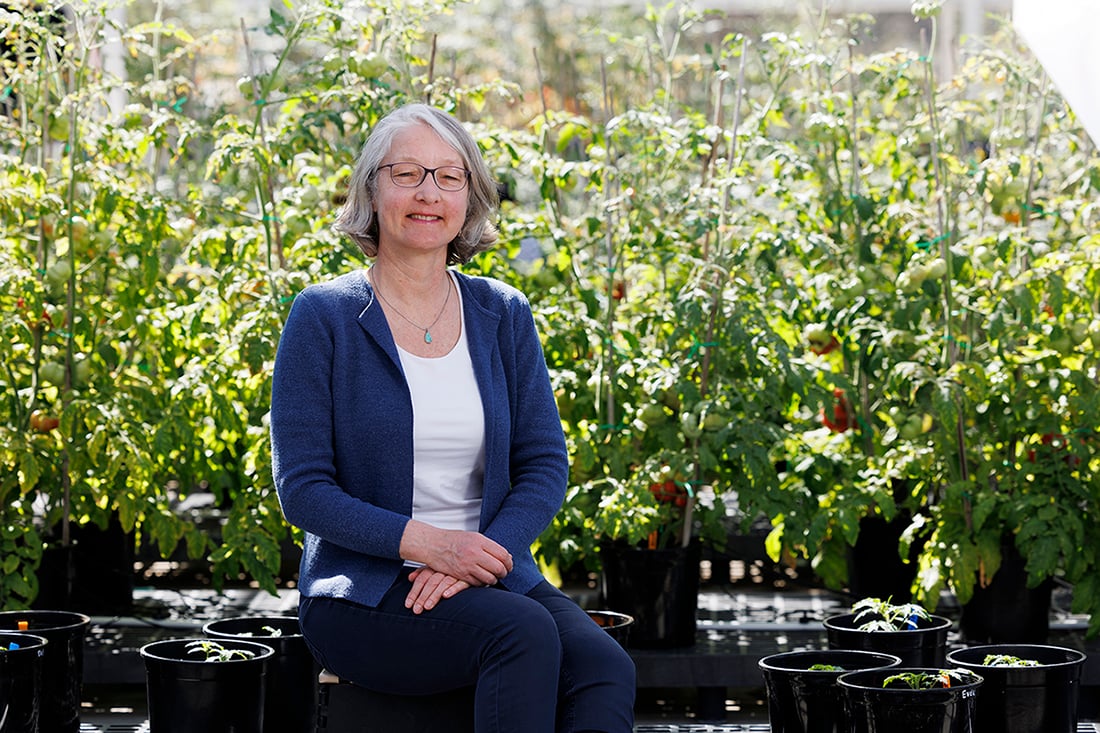
Study traces genetic roots of tomato flavor loss, identifies new pathway for improvement
Posted by Emily Cabrera on Sep 17, 2026
Growing value with cut flowers: UGA helps Georgia growers make the most of every acre