News Stories - Page 267

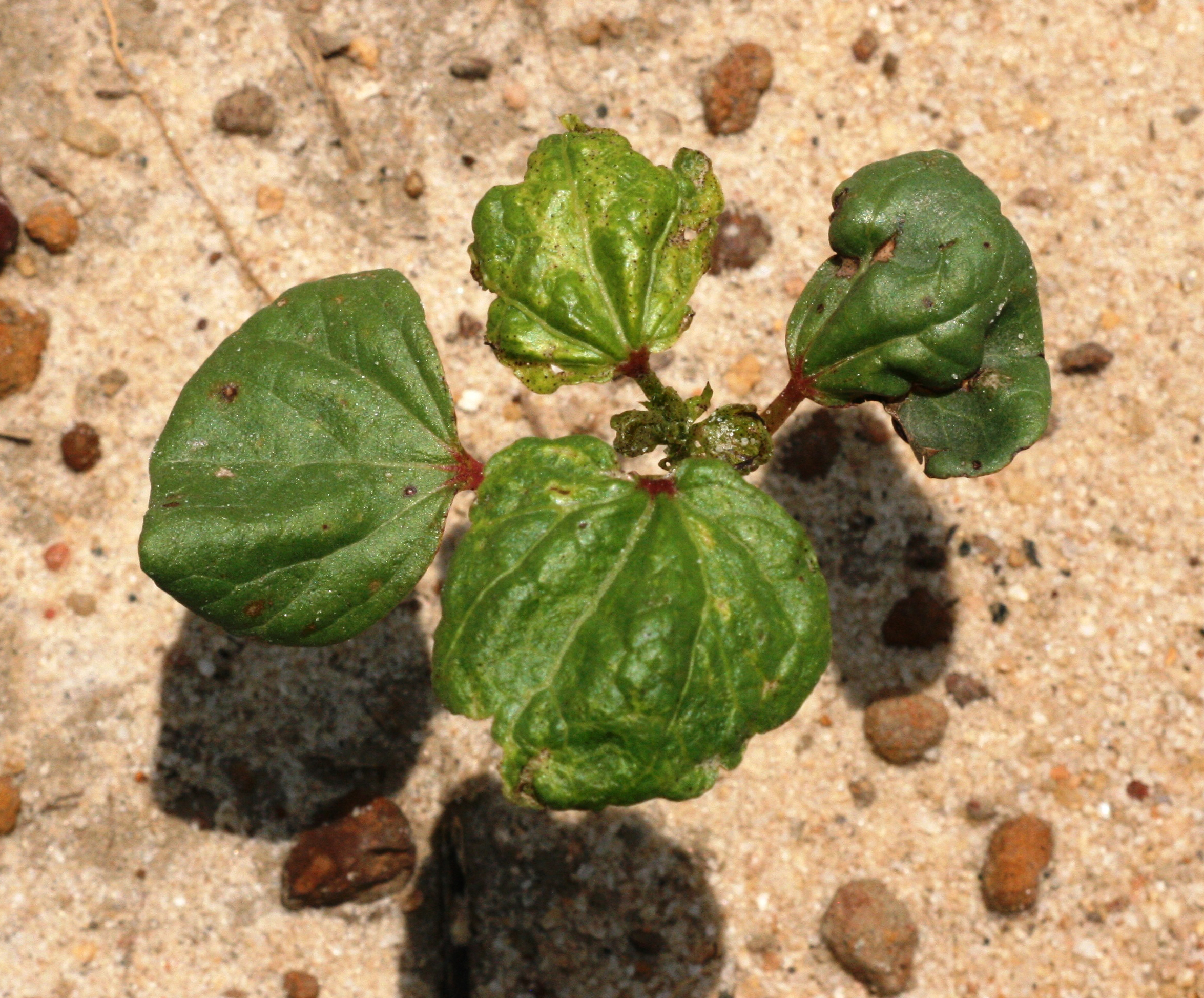
Pictured is a cotton plant impacted by thrips damage. CAES News
UGA Researchers studying management options for thrips
University of Georgia researchers are studying management strategies for thrips, a pest that cotton and peanut farmers encounter every year.
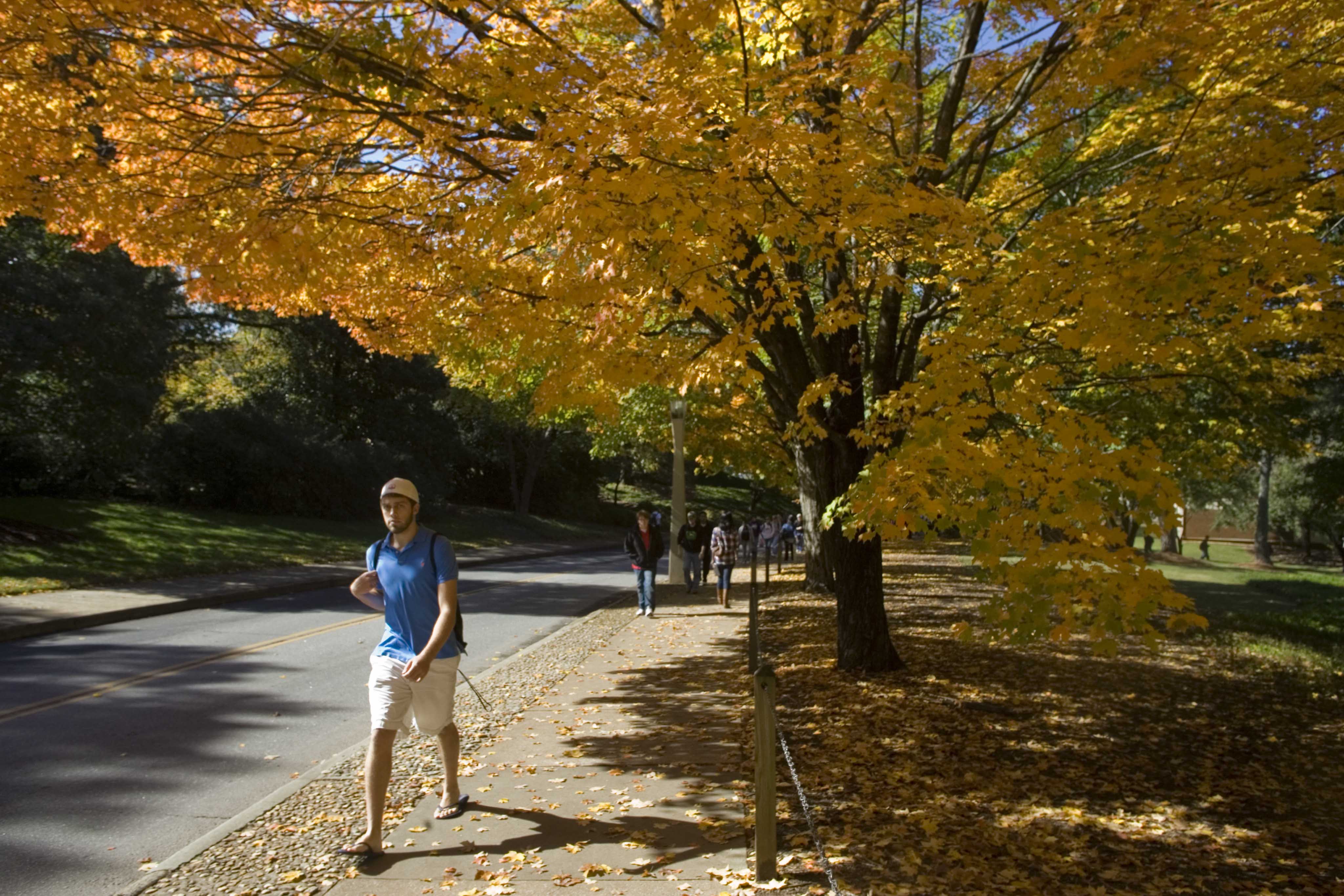
A University of Georgia student walks along Cedar Street under a canopy of bright yellow. The UGA Arboretum Committee is challenging students to take a picture of the campus trees that they find most memorable. CAES News
UGA Arboretum sponsors “Memorable UGA Trees” Photo Contest
One of the first things visitors to the University of Georgia’s campus in Athens notice is the trees. With over 10,000 trees on campus, they make an indelible mark on students, faculty, staff and visitors alike.
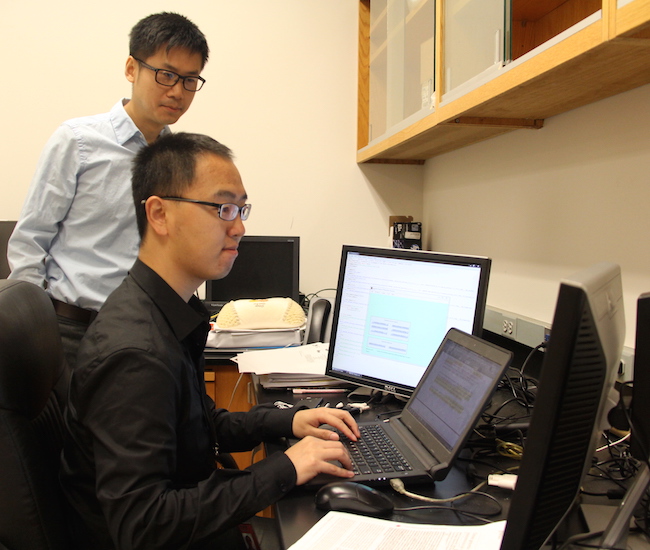
University of Georgia scientist "Sean-u" Deng (standing) and College of Agricultural and Environmental Sciences food science graduate student Shaokang Zhang have developed SeqSero, a bioinformatics tool that identifies serotypes, or individual, distinct strains, of salmonella using whole genome sequencing (WGS). The website is used by public health officials and scientists across the globe. CAES News
UGA Web-based genome tool quickly identifies salmonella bacteria types
University of Georgia food microbiologists have created a cloud-based software tool that can quickly classify strains of salmonella, one of the most prevalent foodborne pathogens in the world.
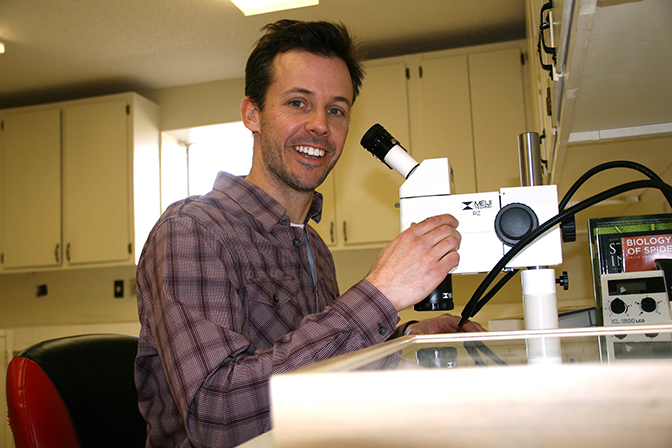
Jason Schmidt is UGA Tifton's newest entomologist. CAES News
New entomologist eyes different approach in studying insects
The University of Georgia’s newest entomologist is eyeing a different approach to studying insects in multiple agricultural crops. Instead of focusing on how to eliminate pests that reduce yield and negatively impact profits, UGA entomologist Jason Schmidt is looking to improve agricultural management systems to preserve helpful insects.
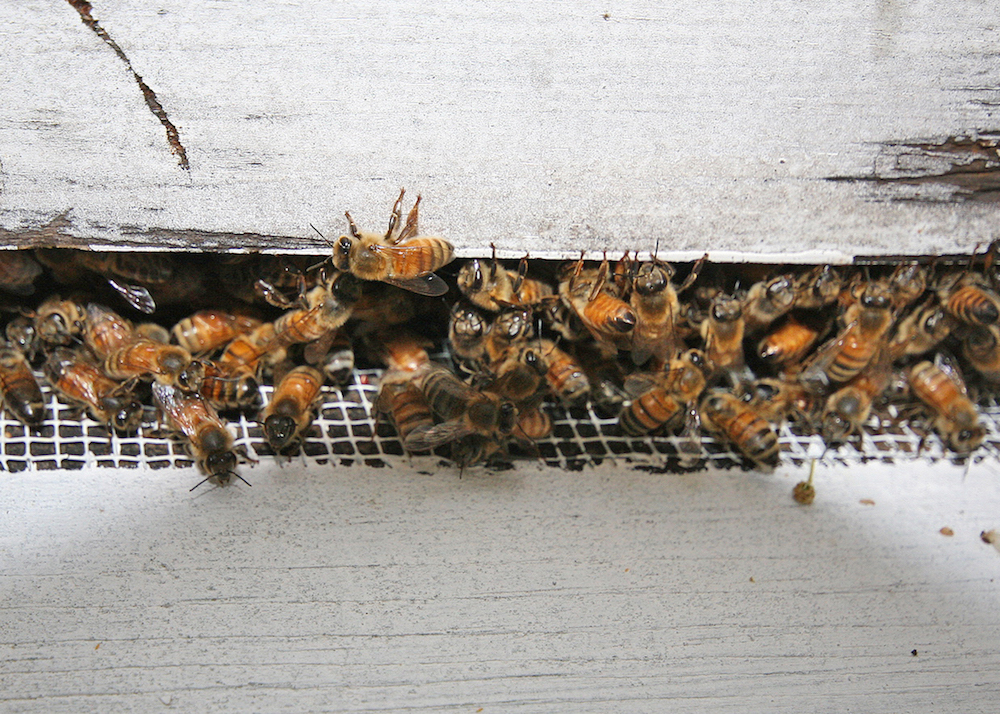
While bee populations have been declining for the past several decades, urban beekeeping and public awareness of pollinators are on the rise. CAES News
Human landscapes can offer safety to imperiled pollinators
There are more than 4,000 species of native bees in North America — from plump, stalwart carpenter bees to the hardworking blueberry bees that help pollinate the state’s top fruit crop.
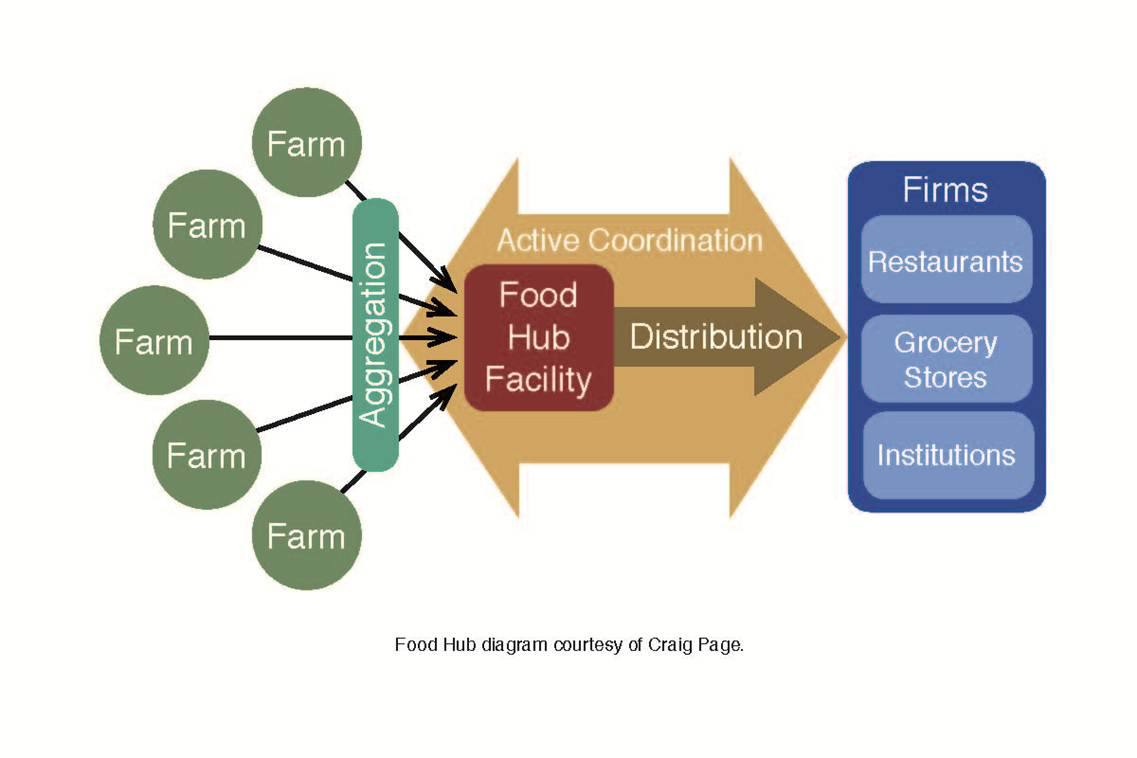
Food hubs aggregate produce from small farmers to meet larger produce orders, like those placed by schools, retailers and restaurants. CAES News
UGA Extension, Food Bank of Northeast Georgia partner to increase access to local food, jobs
The Food Bank of Northeast Georgia’s food hub, housed in its Rabun County facility, will be the first in the country to leverage a regional food bank’s supply chain to help farmers aggregate and preserve their produce. In partnership with University of Georgia Extension, the organizations will join forces to increase access to local food and local jobs.
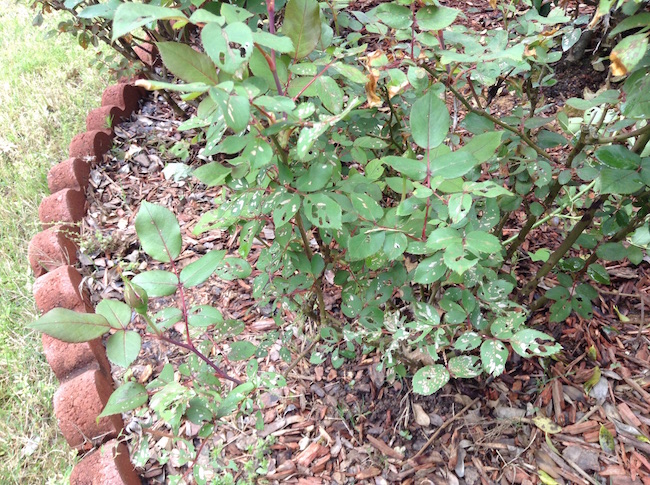
Sawfly damage on roses CAES News
Tiny insect saws through rose bushes
Dozens of calls and samples of roses with a variety of leaf problems are coming into the University of Georgia Extension office in Bartow County. The most common problem diagnosed this year is injury caused by rose sawflies, also known as rose slugs.
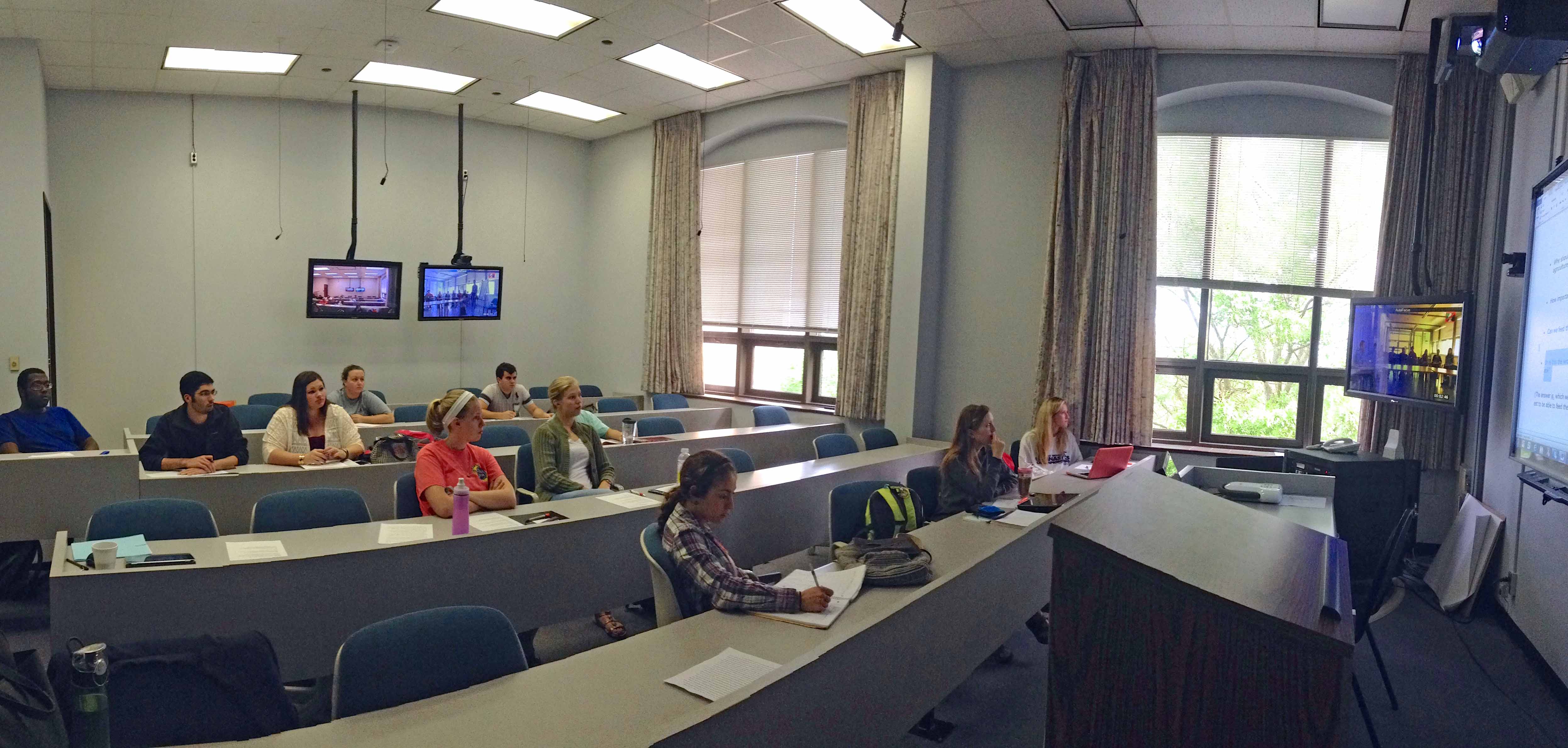
Students in Department of Agricultural Leadership, Education and Communication (ALEC), Professor Dennis Duncan's Global Seminar in Agricultural Leadership course each spring. CAES News
UGA students tackle global conversations on controversial agricultural issues
In agricultural circles, it seems few topics can ruffle more feathers or start more shouting matches than talk of genetically modified organisms (GMOs) or animal rights. These are just the types of discussion topics Professor Dennis Duncan, in the Department of Agricultural Leadership, Education and Communication (ALEC), encourages in his Global Seminar in Agricultural Leadership course each spring.
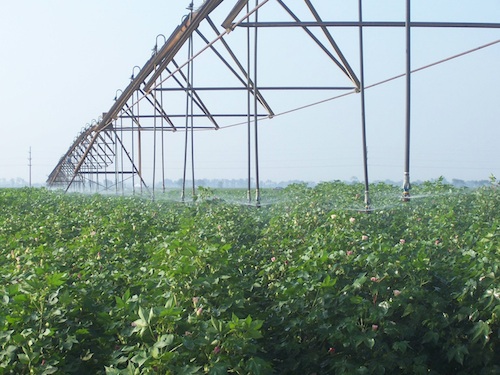
This is a file photo of a center pivot irrigation system being used. CAES News
Georgia farmers advised to check irrigation systems, equipment before using this spring
University of Georgia Extension irrigation specialist Wes Porter advises farmers to check their irrigation systems and equipment for any problems before getting in the field this spring.